
Strength after 35: What’s happening to your body and How to train smarter
International Women’s Day Session
17 March 2026 | 10am
Park Natura Function Room 2, Singapore 659765
Strength Isn’t Just Built. It’s Supported.
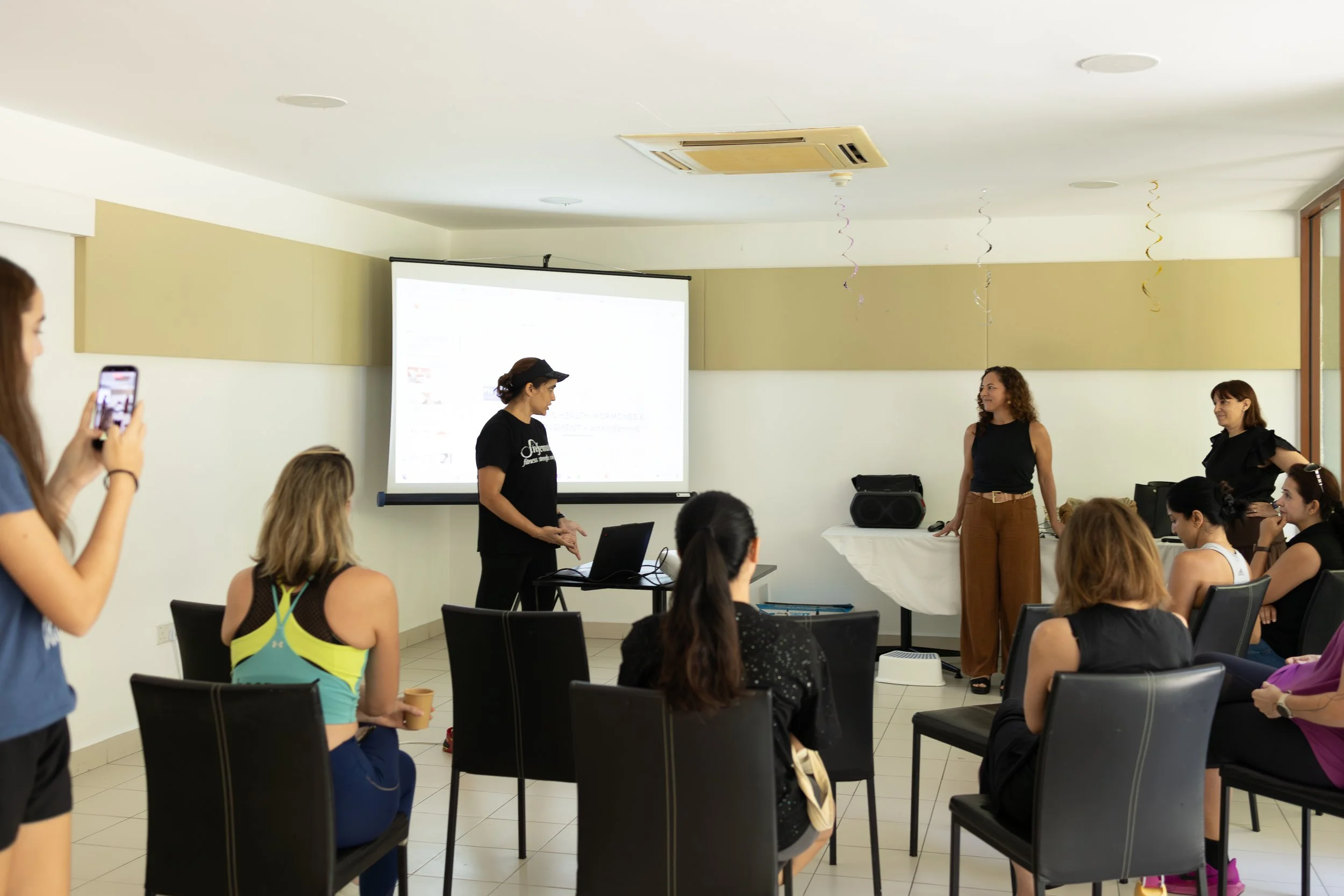
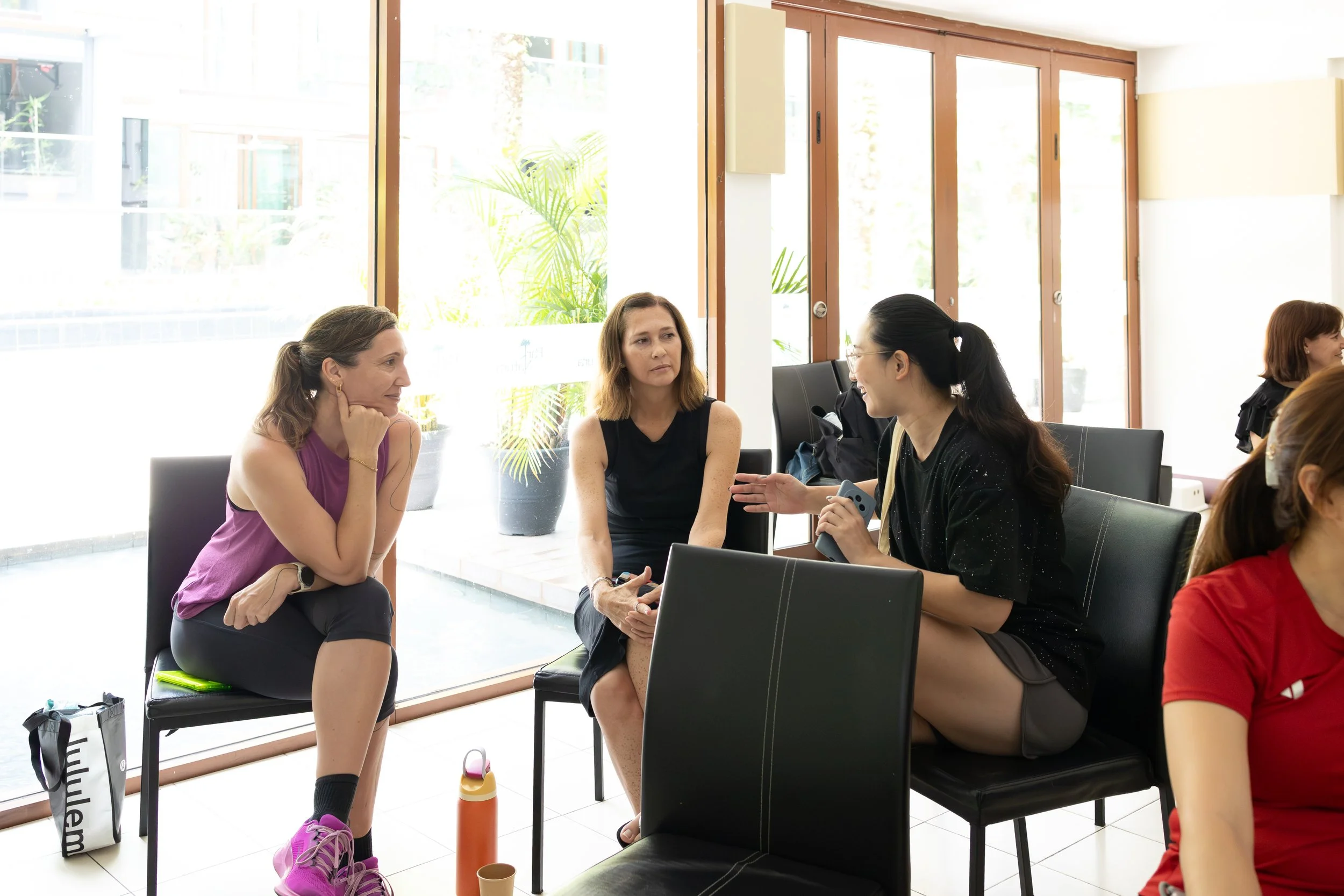
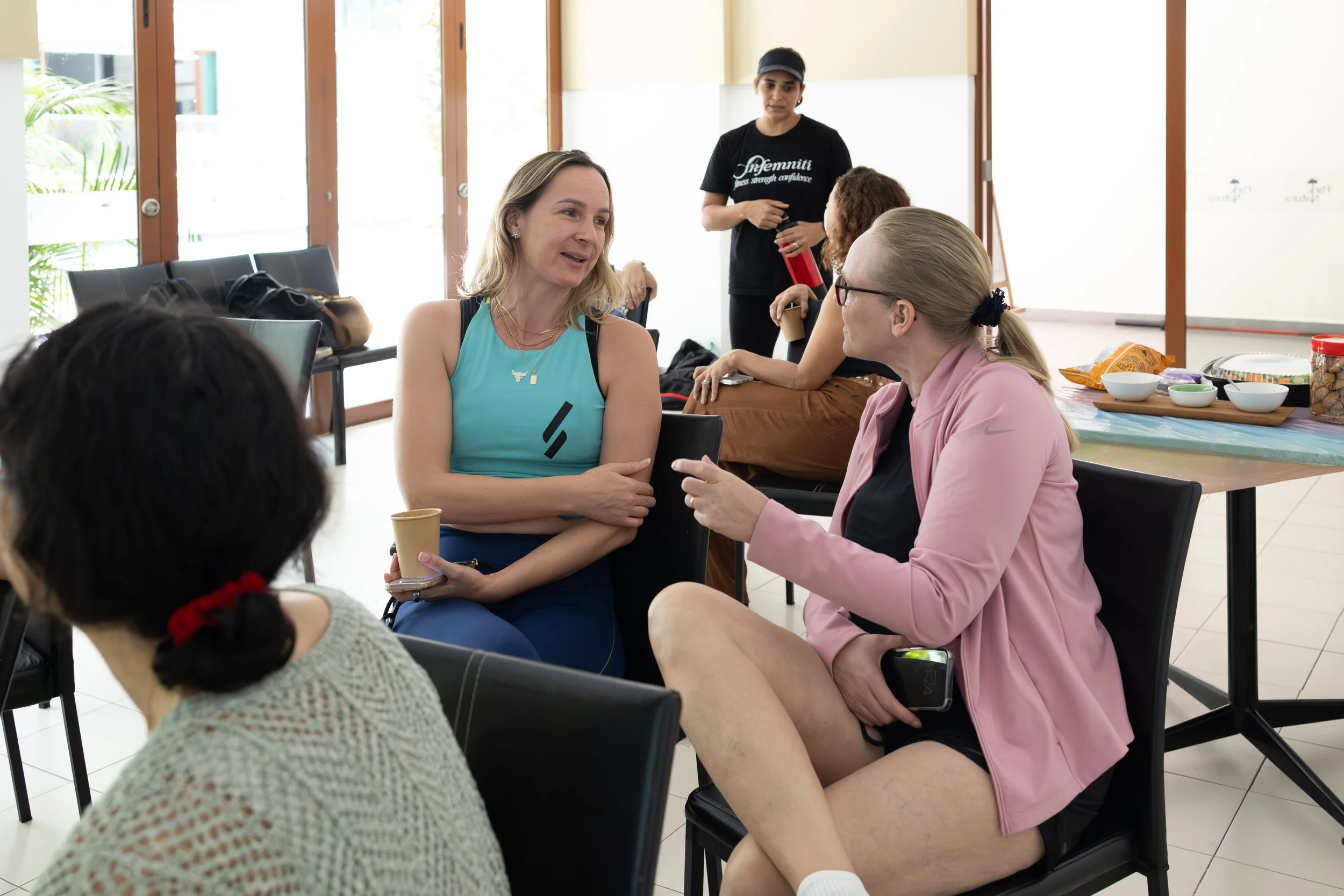
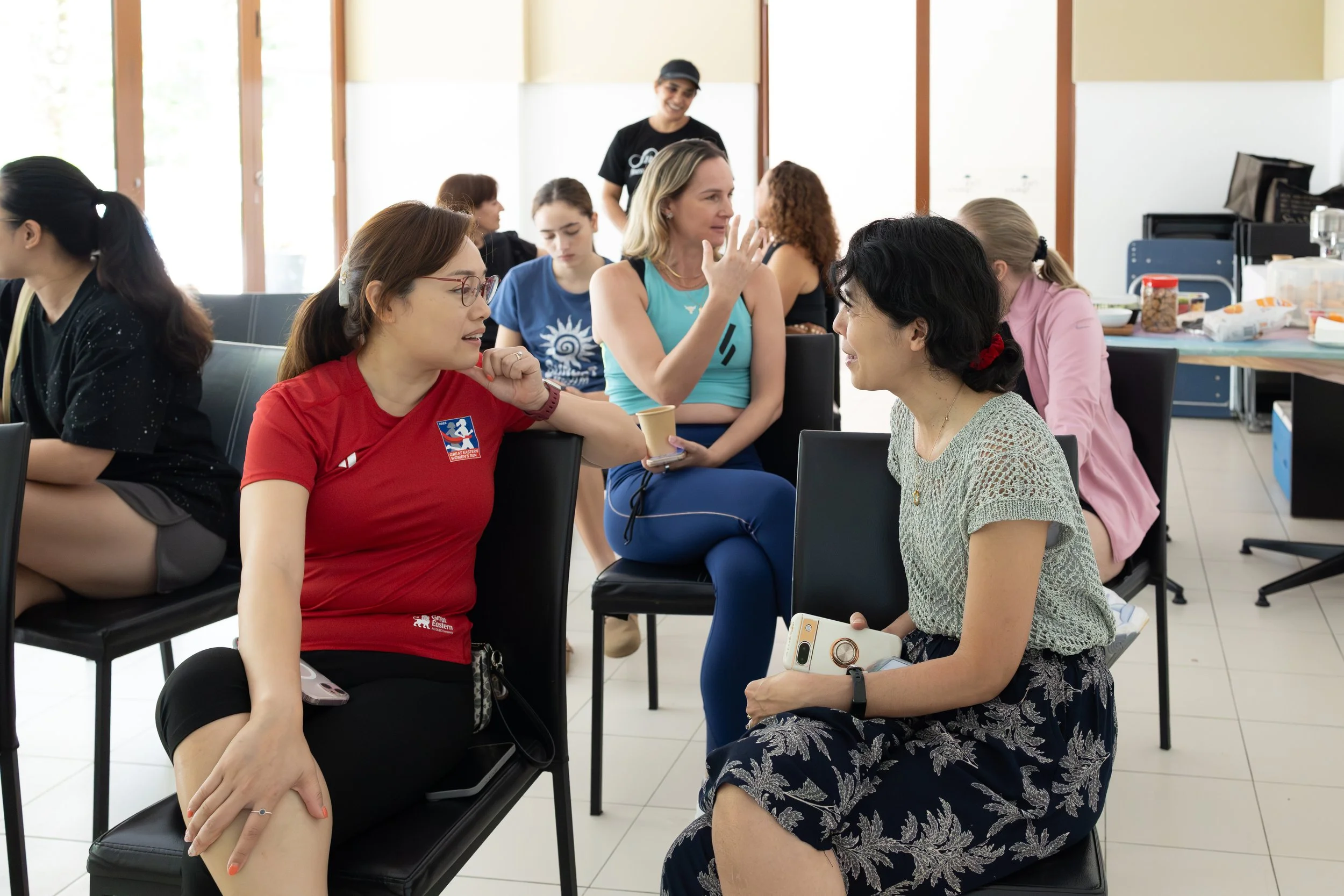
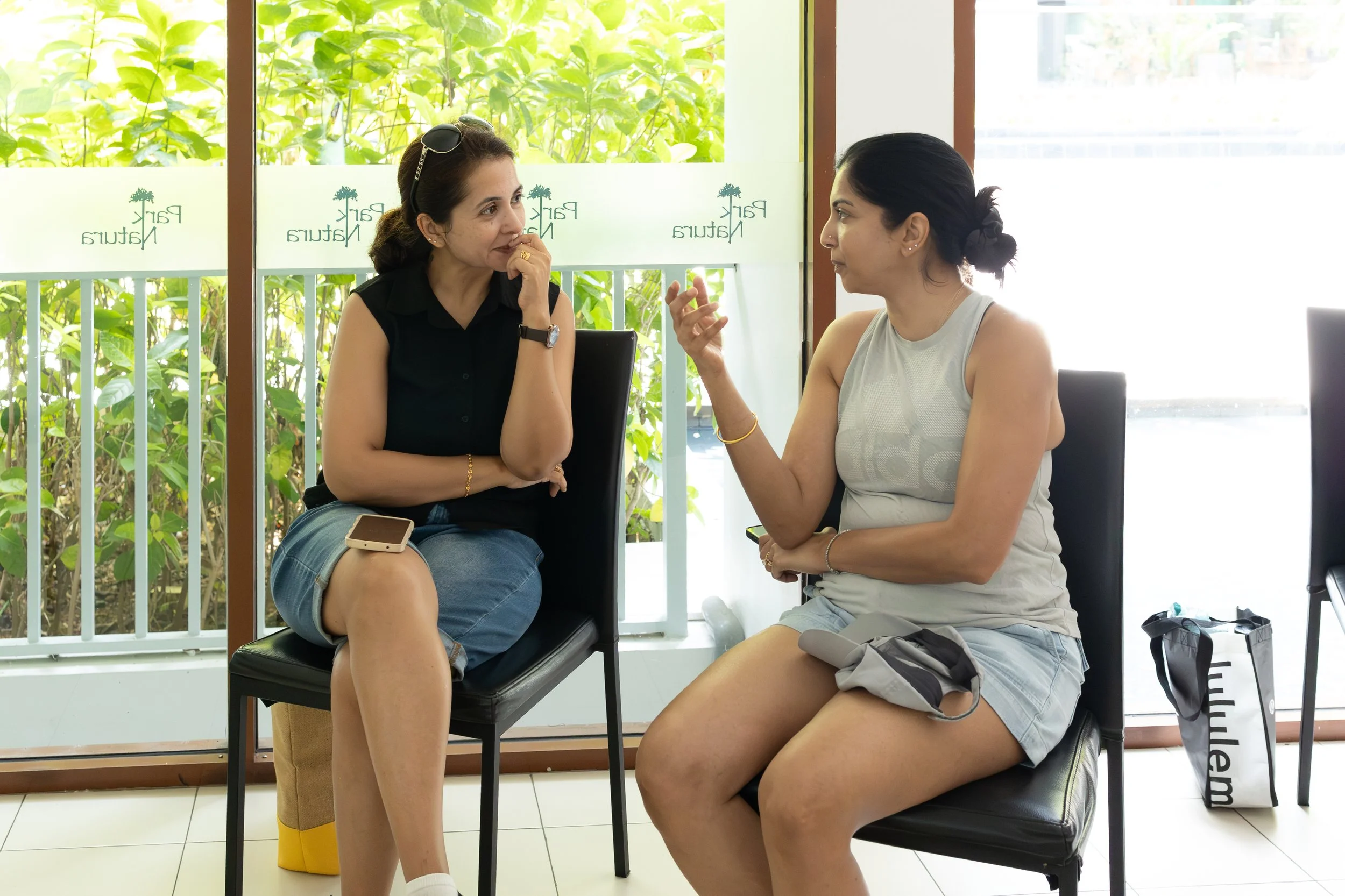
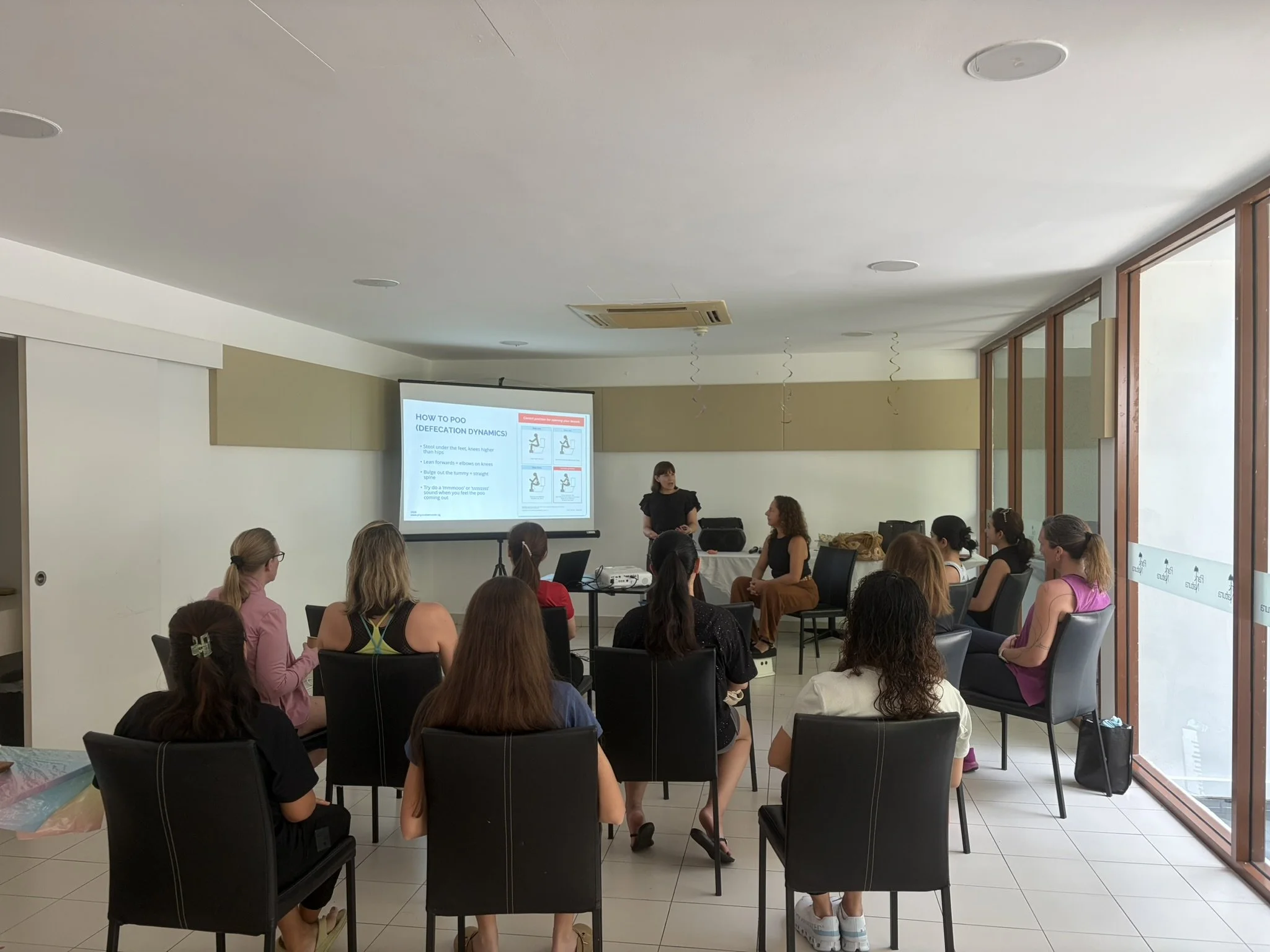
On the 17th of March, we brought together a group of 12 women in Singapore.
No expectations. No pressure. Just a space to talk, openly and honestly, about something most women experience, yet very few fully understand: pelvic health.
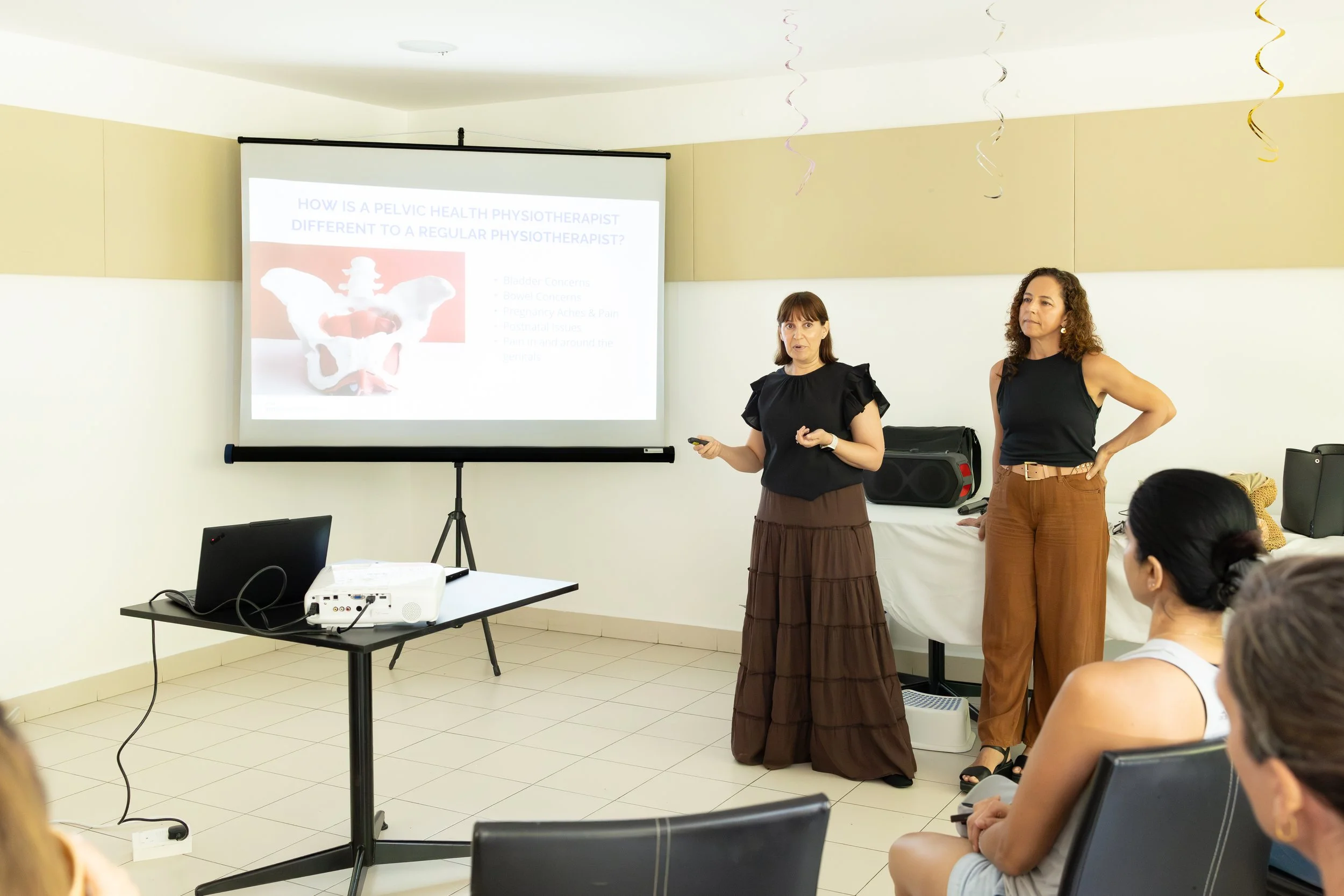
Hosted by Infemniti and facilitated by Physio Down Under, the session quickly moved beyond theory. What surfaced was something far more important.
A realization.
Most Women Are Training Without the Full Picture
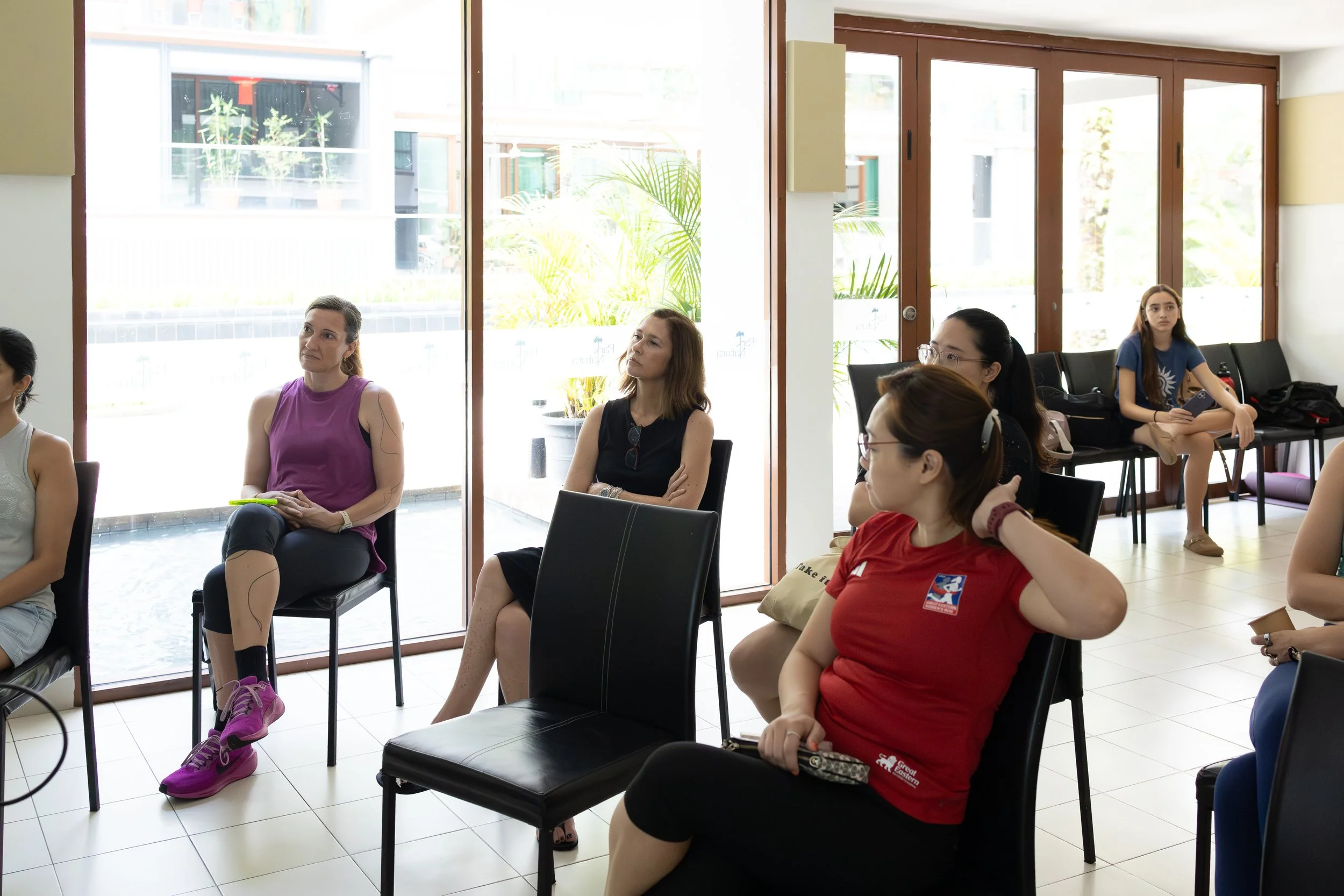
Across the room, there was a shared experience. Women who were active, consistent, and committed to their fitness, yet quietly navigating symptoms they didn’t fully understand. Leaks when skipping. Discomfort when running. A subtle loss of control during high-impact movements. Not enough to stop training. But enough to change how they moved.
And over time, those adjustments became habits. What stood out most wasn’t the presence of these symptoms.
It was the absence of education around them.
The Pelvic Floor: The Foundation No One Talks About
Pelvic health is often positioned as something relevant only after pregnancy. But in reality, it underpins everything. It is responsible for managing pressure within the body, stabilizing the core, and supporting movement across almost every form of exercise.
When functioning well, it works seamlessly in the background. When it doesn’t, it shows up in ways that are often misunderstood.
A hesitation before jumping.
A reduced ability to generate power.
A lack of confidence in movement.
And yet, most women have never been taught how to engage or support it.
Why High-Impact Movements Matter More Than You Think
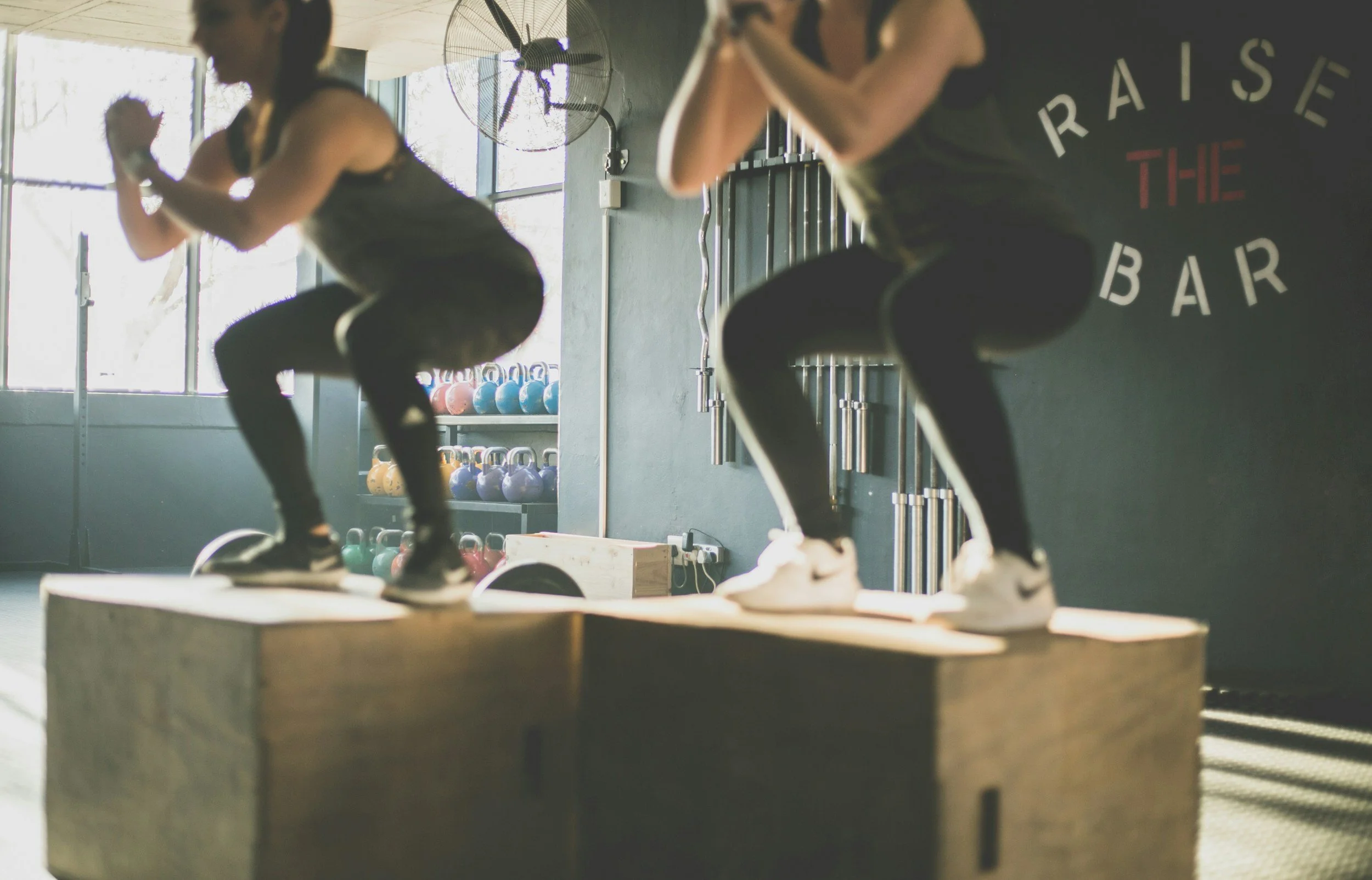
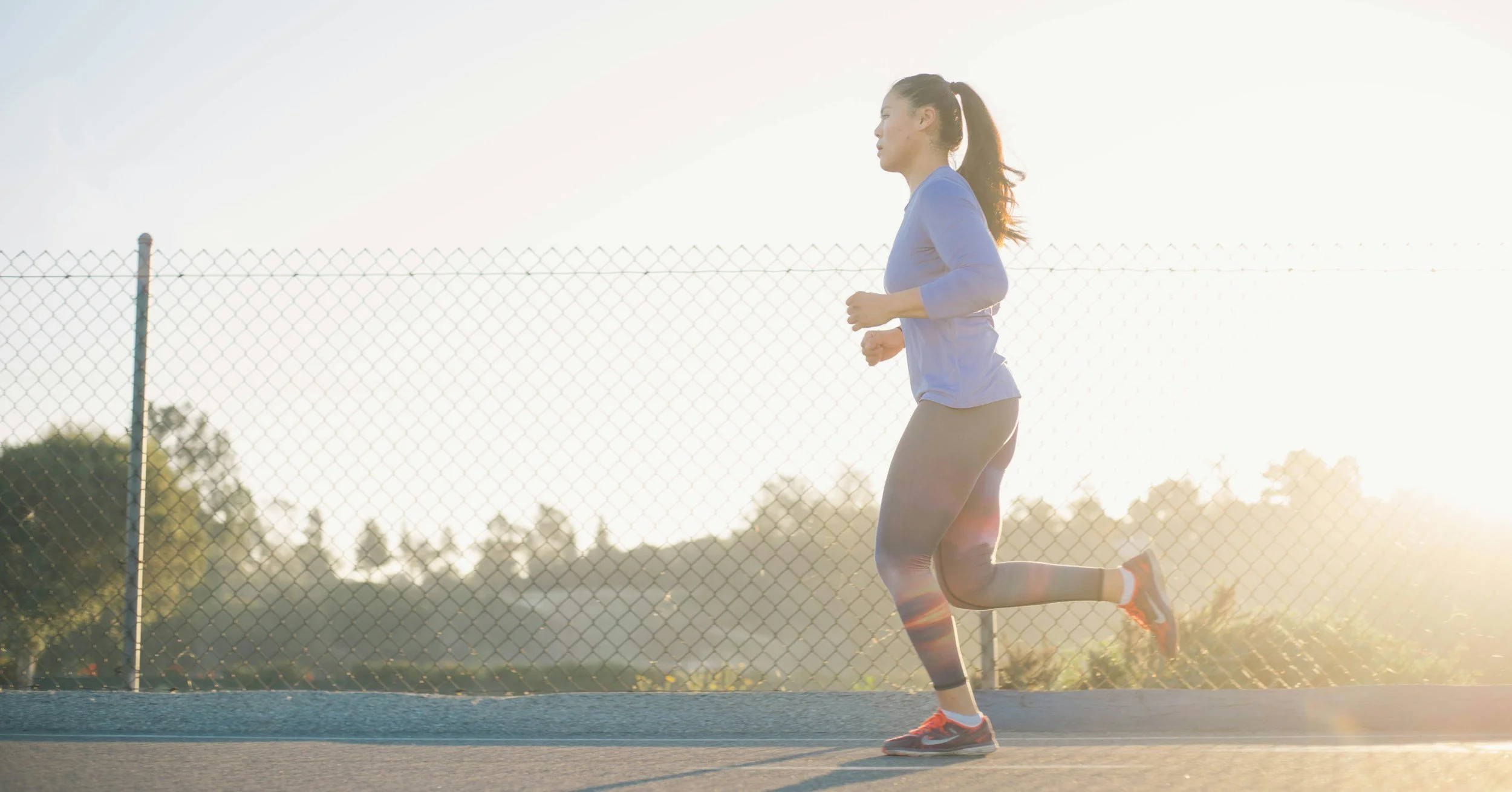
The conversation became particularly real when we looked at everyday training movements, things many women are already doing.
Take jump rope, for example. It’s often seen as a simple, effective cardio tool. But every jump creates repeated impact and pressure through the pelvic floor. Without the right coordination and strength, this can lead to leaks or discomfort over time.
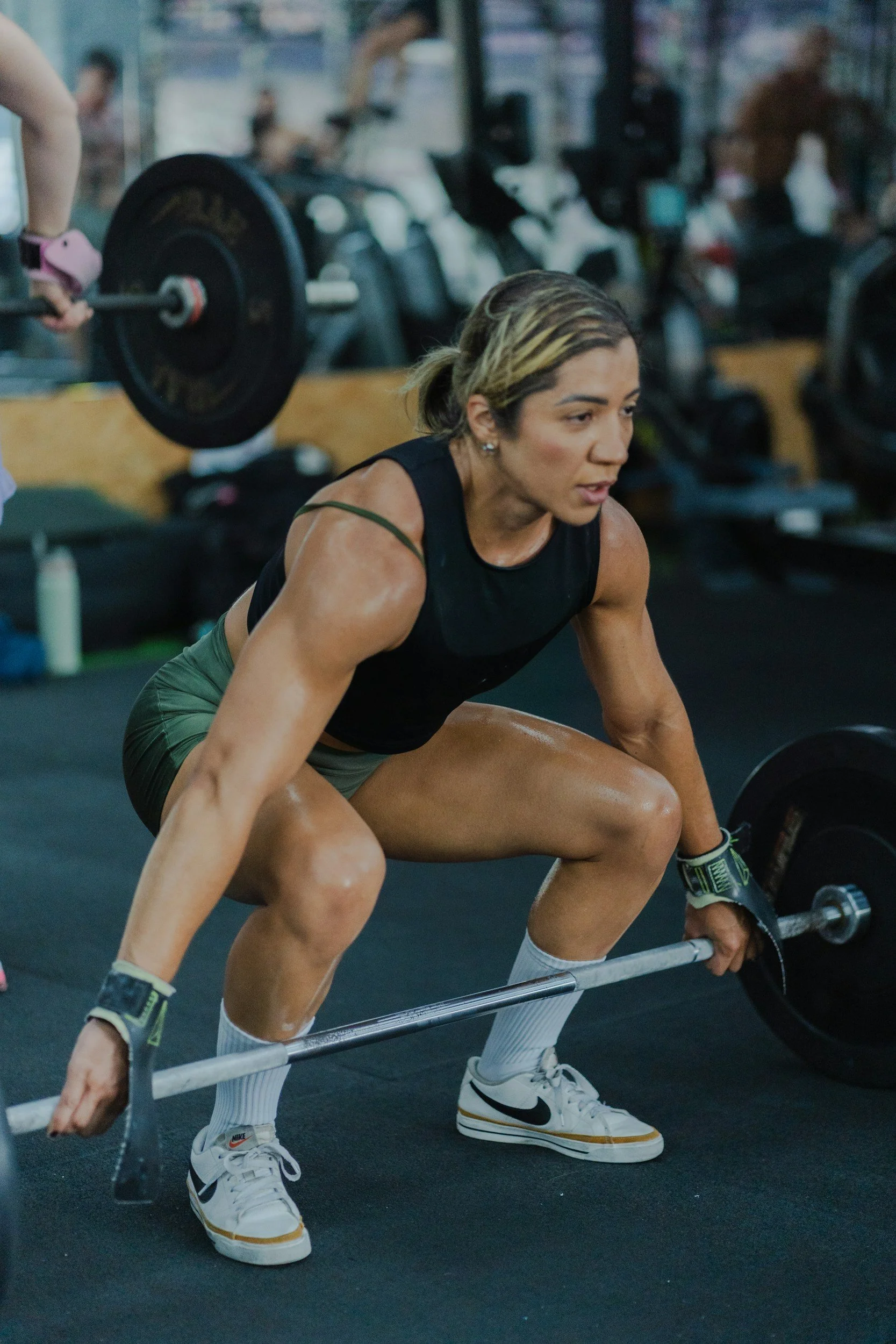
Then there are box jumps. Explosive. Powerful. Demanding. But also one of the clearest examples of how pressure is generated in the body. It’s not just about getting onto the box. It’s about how you land, how you absorb force, and whether your body is able to manage that pressure effectively. Without that control, the body compensates.
And finally, running. Perhaps the most common, and most overlooked, example. With every stride, there is a constant cycle of loading and impact. Over distance, this becomes significant. For many women, this is where symptoms first appear, often dismissed as something they simply need to “manage.”
But these are not isolated issues. They are signals.
It’s Not Just Training. It’s Daily Habits.
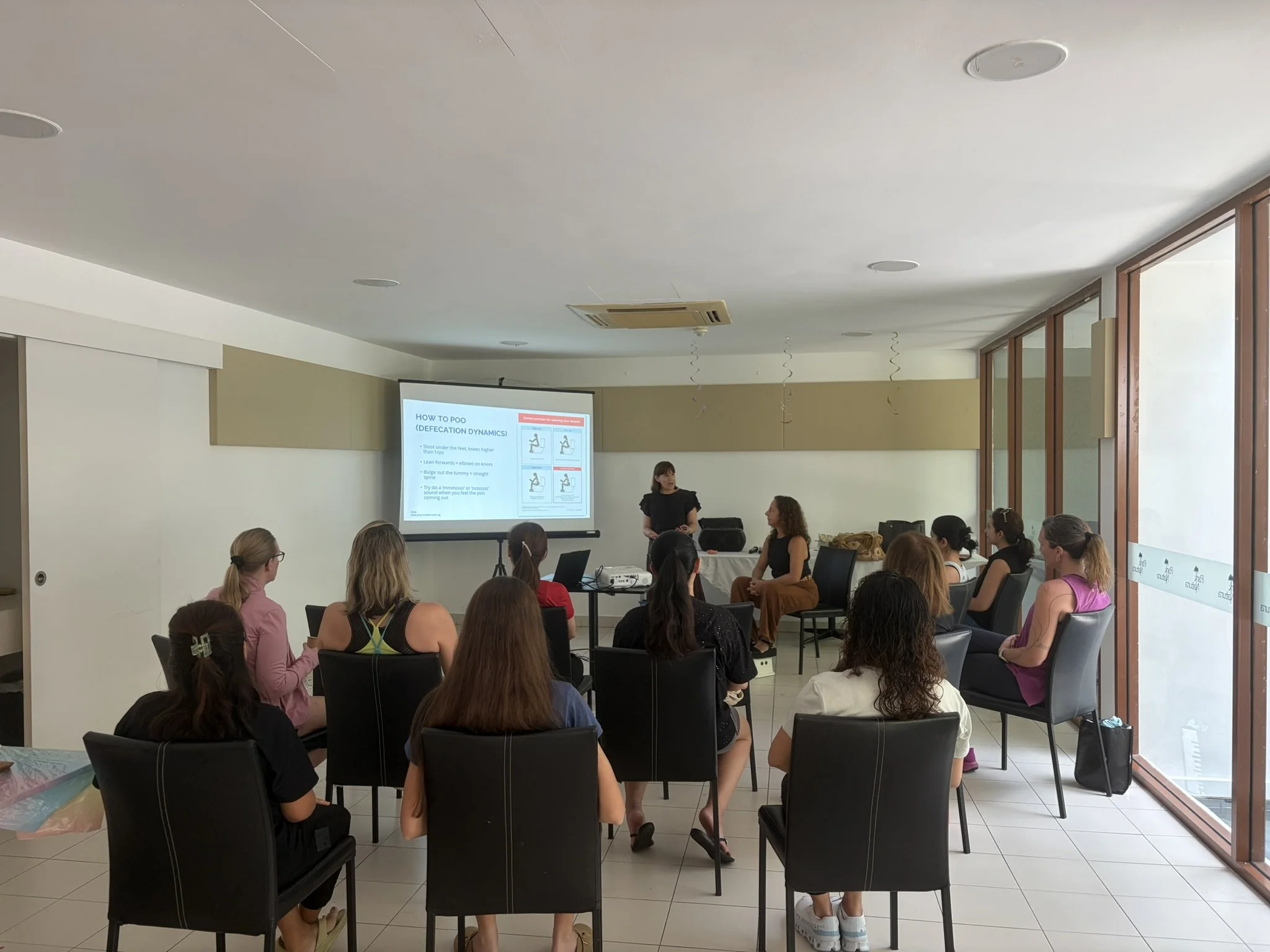
What became even more eye-opening was how much of pelvic health is shaped outside of workouts. Small, everyday behaviours, rarely questioned, play a significant role.
Rushing to empty the bladder, often seen as efficient, can disrupt the body’s natural coordination over time. Going to the toilet “just in case” trains the bladder to signal urgency too early, while delaying the urge, particularly for bowel movements, places additional strain on the system.
Even something as common as sitting on the toilet for extended periods, often scrolling on a phone, creates unnecessary downward pressure. These are not extreme behaviours. They are normalised habits.
But they matter more than we think
Rethinking Strength: It Starts From Within
What became clear is that strength training, when done with awareness, can be one of the most powerful tools for supporting pelvic health.
It builds resilience.
Improves coordination.
Enhances control.
But without understanding the foundation, it can also reinforce patterns that don’t serve the body long-term. This is where the shift needs to happen.
Not in doing more. But in understanding more. Because real strength is not just about output.It’s about how well your body is supported, under pressure, under load, and over time.
The Gap We Can No Longer Ignore
We are living in a time where women are more active than ever. They are lifting, running, training, showing up consistently.
But they are also navigating fatigue, hormonal shifts, and physical changes, often without the knowledge or support to do so effectively. The expectation is to keep going. The reality is, many are doing so without the right foundation. And that’s where the gap lies.

What Changed That Day
As the session unfolded, the conversation moved from uncertainty to understanding. From isolated experiences to shared realities. And with that came a sense of relief. Because when women begin to understand their bodies, they begin to trust them again. They move differently. They train with intention.
They feel stronger, not just physically, but mentally.
This Is Just the Beginning
This session was never meant to be a one-off.
It marks the beginning of a broader shift, towards education, awareness, and conversations that truly support women in how they live, train, and feel.
Because women’s health deserves more than general advice.
It deserves depth.
It deserves clarity.
It deserves to be understood.
Meet the Speakers
-
![]()
Tamara Gerdis
CO-FOUNDER, PHYSIO DOWN UNDER
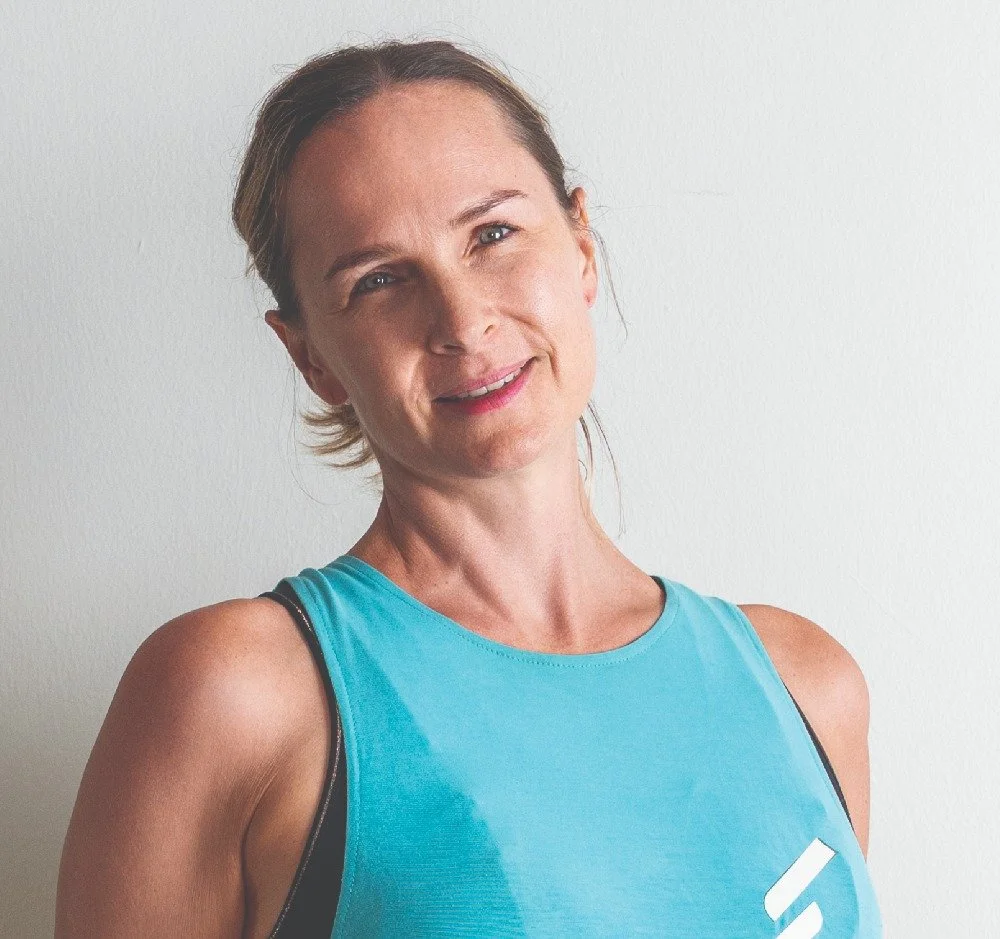
Tamara Gerdis is a physiotherapist and co-founder of Physio Down Under. With extensive experience in pelvic, obstetric and gynaecological physiotherapy, she is passionate about helping women better understand their bodies and regain strength and confidence through specialised pelvic health care and movement. -
![]()
Monica Donaldson
CO-FOUNDER, PHYSIO DOWN UNDER
Monica Donaldson is a physiotherapist and co-founder of Physio Down Under, Singapore’s first dedicated pelvic health physiotherapy clinic. With decades of experience in women’s health physiotherapy, her work focuses on pelvic health, pregnancy and postnatal care, and helping women move with confidence through every stage of life. -
![]()
Cathie Cocqueel
FOUNDER, BECAUSE - MOVEMENT
Cathie Cocqueel is the founder of Because - Movement, a Singapore-based initiative that uses sport to bring communities together and raise funds for charitable causes. Alongside her global career in design leadership at global companies, she has spent nearly a decade building volunteer-led fitness initiatives where every session supports meaningful social impact.
-
![]()
Meena O'Mahony
FOUNDER, INFEMNITI
Meena is a strength coach and the founder of Infemniti, a platform supporting women navigating midlife, career, and motherhood through strength training. With a background in global marketing and a deep passion for fitness, she helps women build strength, resilience, and confidence through practical, evidence-based training that supports long-term health.



About the Organisations
-
Physio Down Under
Women’s health physiotherapy specialists
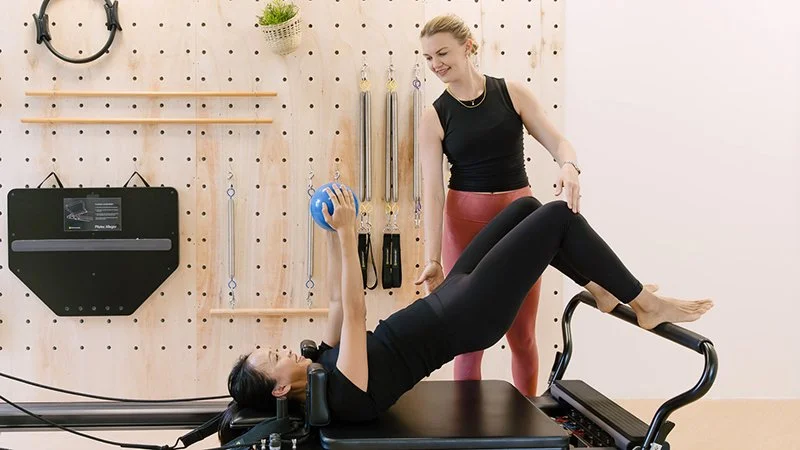
Physio Down Under is a Singapore-based clinic led by women’s health physiotherapists specialising in pelvic health, pregnancy and postnatal recovery, and midlife transitions. Their work supports women through hormonal shifts, load management and movement rehabilitation with evidence-based care.
During this session, they will unpack how pelvic health, connective tissue changes and menopause-related shifts impact strength, performance and recovery and what women need to know before returning to or progressing in training.
-
Infemniti
Women-focused strength and performance programming
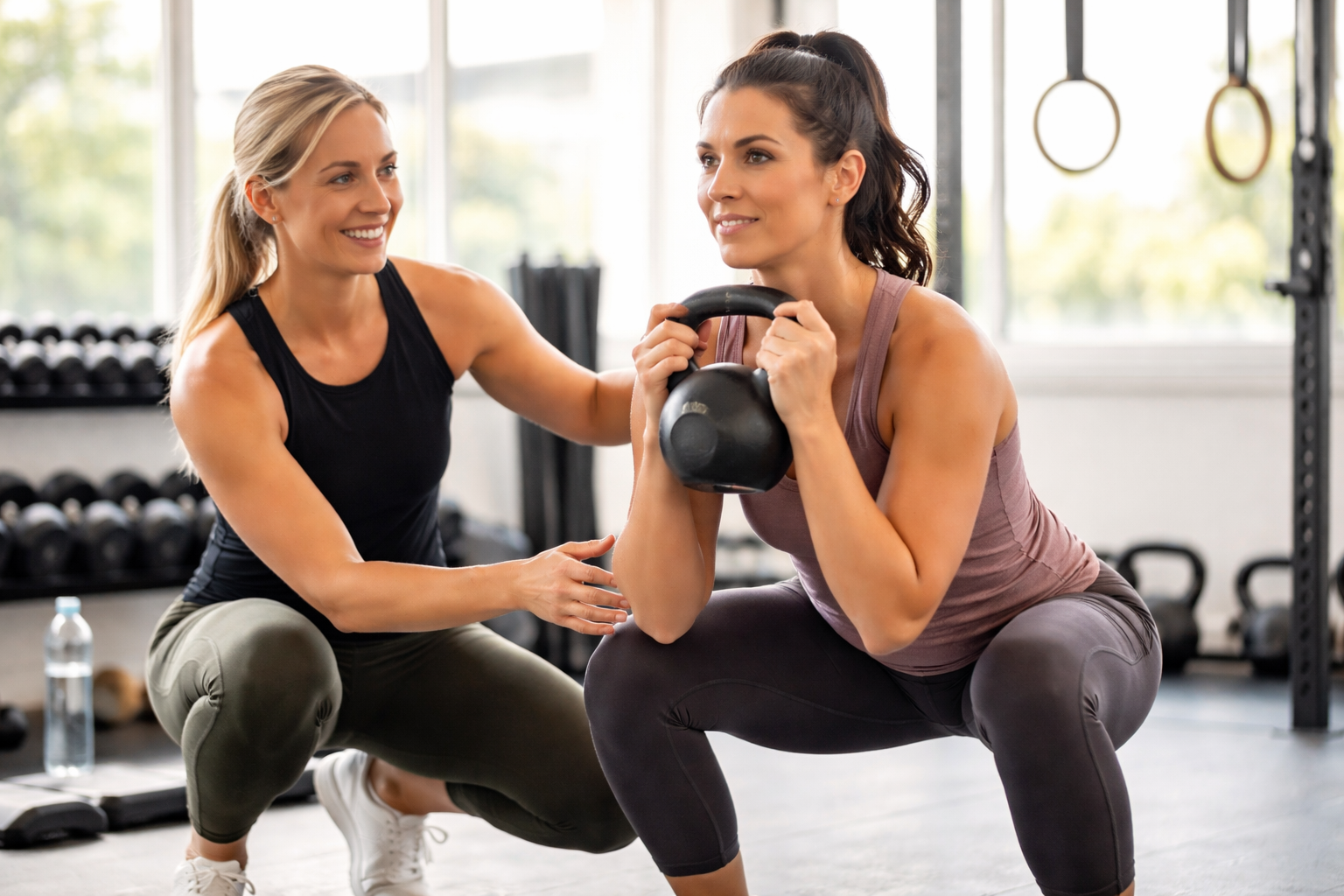
Infemniti is a women-focused strength community supporting women 35+ to train with clarity and confidence. Built around progressive strength training and midlife physiology, Infemniti bridges education and practical programming to help women build muscle, protect bone density and sustain long-term resilience.
At this session, Infemniti will connect physiology to real-world strength training, translating what happens inside the body into clear, actionable movement guidance.
Some key concepts
How Hormonal Shifts Affect Muscle and Bone
From our mid-30s, gradual hormonal changes begin to affect muscle maintenance, bone density and recovery. Understanding these shifts allows women to train proactively and protect long-term strength.
Pelvic Health Under Load
Pelvic floor function is essential for stability and performance. Increased load and impact can affect core integrity and confidence in training.
Why Progressive Resistance Training Matters
Strength training is one of the most effective tools for preserving muscle, supporting bone density and maintaining metabolic health. Structured progression is key to avoiding plateaus and maintaining resilience.
How to Adapt Training After 35
Training after 35 isn’t about doing less, it’s about training smarter. We discussed recovery, load management and how to align programming with your body’s changing needs.
You’re Most Welcome to the Next Conversation
We’ll continue to create spaces like this, where science meets real life, and women are given the tools to understand their bodies properly. Because strength isn’t just something you build. It’s something you support, every single day. And that starts from within.